Providing solutions for employers since 1997
Understanding OSHA’s Requirements for Construction Safety
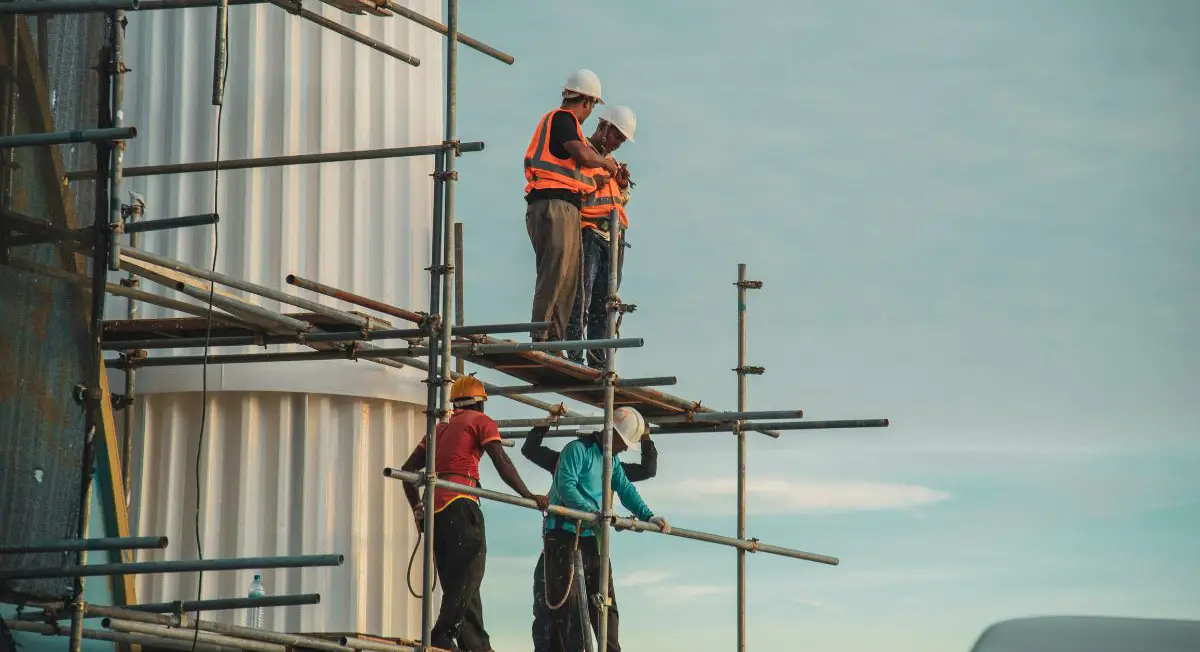
August 1, 2025Working in construction comes with its fair share of risks. From heavy machinery to working at great heights, the potential for accidents is significant. That’s why the Occupational Safety and Health Administration (OSHA) has established comprehensive safety requirements specifically for the construction industry. Understanding and adhering to these regulations is not just about legal compliance—it’s about protecting the lives and well-being of everyone on the job site.
Why Construction Safety Matters
Construction sites are dynamic environments where conditions can change rapidly. Hazards such as falls, electrical exposures, and equipment mishandling are common. Implementing OSHA’s safety standards helps minimize these risks, leading to fewer accidents, less downtime, and a more productive workforce.
Key OSHA Requirements for Construction Safety
Understanding OSHA’s requirements for construction safety is essential to maintaining a safe and compliant worksite. These standards cover a broad range of safety measures aimed at protecting workers from the unique hazards they face in the construction industry. From the use of personal protective equipment (PPE) to fall prevention, scaffolding protocols, and trenching safety, OSHA’s guidelines ensure that workers are informed, equipped, and trained to handle risks effectively. Below is a breakdown of key OSHA construction safety requirements, highlighting the responsibilities of employers and the critical practices that keep workers safe.
- Hazard Communication
- The Importance: Workers have the right to know about the hazardous chemicals and materials they may encounter.
- What It Entails:
- Labeling: All hazardous materials must be clearly labeled.
- Safety Data Sheets (SDS): Employers must maintain and provide access to SDS for each hazardous substance.
- Training: Employees should be trained to understand labels and SDS, and how to handle chemicals safely.
- Personal Protective Equipment (PPE)
- Employer Responsibilities: Identify workplace hazards and provide appropriate PPE to employees at no cost.
- Common PPE in Construction:
- Hard Hats: Protect against falling or flying objects.
- Safety Glasses/Goggles: Shield eyes from debris and chemical splashes.
- Hearing Protection: Necessary in high-noise environments.
- Gloves and Safety Boots: Prevent injuries from sharp objects and heavy materials.
- Respirators: Required when working with dust, fumes, or other airborne hazards.
- Fall Protection
- Why It Matters: Falls are the leading cause of fatalities in construction.
- OSHA Standards:
- Height Threshold: Fall protection is required when working at heights of 6 feet or more.
- Types of Protection:
- Guardrails: Barriers to prevent falls from edges.
- Safety Nets: Catch systems below work areas.
- Personal Fall Arrest Systems: Harnesses that stop a fall.
- Training: Workers must know how to use fall protection equipment properly.
- Scaffolding Safety
- Risks Involved: Falls, structural failures, and falling objects.
- Requirements:
- Design and Construction: Scaffolds must be capable of supporting four times the maximum intended load.
- Inspections: A competent person must inspect scaffolds before each shift.
- Access: Proper means of access (ladders, ramps) must be provided.
- Training: Employees need to understand safe scaffold use.
- Ladder Safety
- Best Practices:
- Selection: Use ladders appropriate for the task and weight load.
- Inspection: Check for defects before use.
- Usage: Maintain three points of contact, don’t overreach, and never stand on the top rung.
- Best Practices:
- Trenching and Excavation
- Hazards: Cave-ins are the most significant risk.
- Protective Measures:
- Protective Systems: Use shoring, shielding, or sloping techniques.
- Inspections: A competent person must inspect trenches daily.
- Safe Entry and Exit: Ladders or ramps must be provided for trenches 4 feet deep or more.
- Electrical Safety
- Common Hazards: Contact with power lines, improper grounding, overloaded circuits.
- Preventive Actions:
- Lockout/Tagout Procedures: De-energize equipment before maintenance.
- Use of GFCIs: Ground-Fault Circuit Interrupters prevent shocks.
- Overhead Lines: Keep a safe distance and use non-conductive tools.
- Crane and Heavy Equipment Safety
- Operator Qualifications: Operators must be trained and certified.
- Regular Inspections: Equipment should be checked for defects.
- Safe Operations:
- Load Limits: Never exceed the manufacturer’s load capacity.
- Signal Persons: Use trained signalers to guide operations.
- Clear Zones: Keep unauthorized personnel away from operating areas.
- Training and Education
- Employer’s Duty: Provide training that is understandable and comprehensive.
- Focus Areas:
- Recognizing Hazards: Teach employees to identify and avoid risks.
- Safe Work Practices: Instruction on proper procedures and equipment use.
- Emergency Response: What to do in case of an accident.
Creating a Culture of Safety
Safety isn’t just a checklist—it’s a mindset. Encourage open communication about safety concerns without fear of retaliation. Regular safety meetings and updates keep everyone informed and vigilant. Recognize and reward safe practices to reinforce their importance.
Benefits of Compliance
- Reduced Accidents: Fewer injuries mean less downtime and lower medical costs.
- Legal Protection: Compliance minimizes the risk of fines and legal action.
- Employee Morale: Workers who feel safe are more productive and engaged.
- Reputation: A strong safety record enhances your company’s standing with clients and partners.
Understanding OSHA’s requirements for construction safety is essential for anyone involved in the industry. By implementing these standards, you’re not only complying with the law but also taking meaningful steps to protect your most valuable asset—your employees.
Ready to Elevate Safety Standards at Your Worksite?
Don’t leave construction safety to chance—make it a cornerstone of your operations. Whether you need to update your training programs, ensure compliance, or improve hazard prevention measures, taking proactive steps today can save lives and costs tomorrow. Contact our team to learn how we can help you implement OSHA’s standards effectively and create a safer, more productive job site. Let’s build a culture of safety together!
© 2026 Occupational Health Solutions